
Did you know that the StAnD meteor detection cameras can also spot aurora?
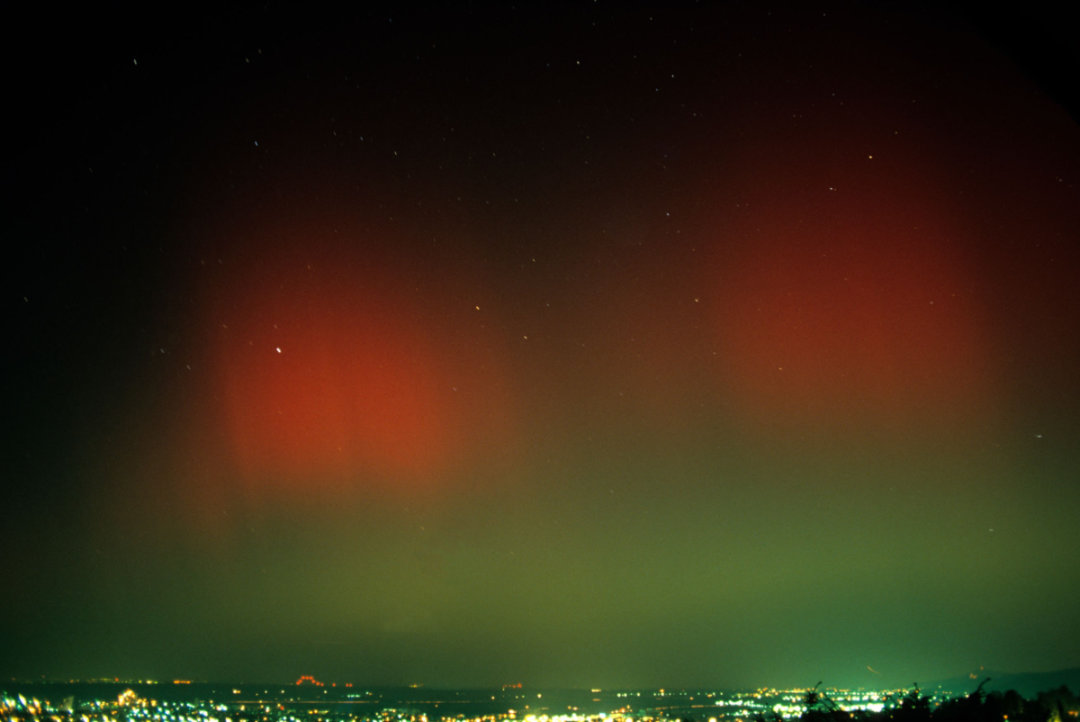
On 19 January 2026, an intense space-weather event reached Earth and triggered severe geomagnetic storm conditions (G4) — pushing auroral activity far beyond its usual high-latitude zone and making the aurora borealis visible across parts of Europe, including Germany.
During such events, the Sun releases bursts of energy and charged particles (often associated with a coronal mass ejection). When these particles interact with Earth’s magnetic field and upper atmosphere, they can produce the glowing curtains of light we call auroras — aurora borealis in the Northern Hemisphere and aurora australis in the Southern Hemisphere.
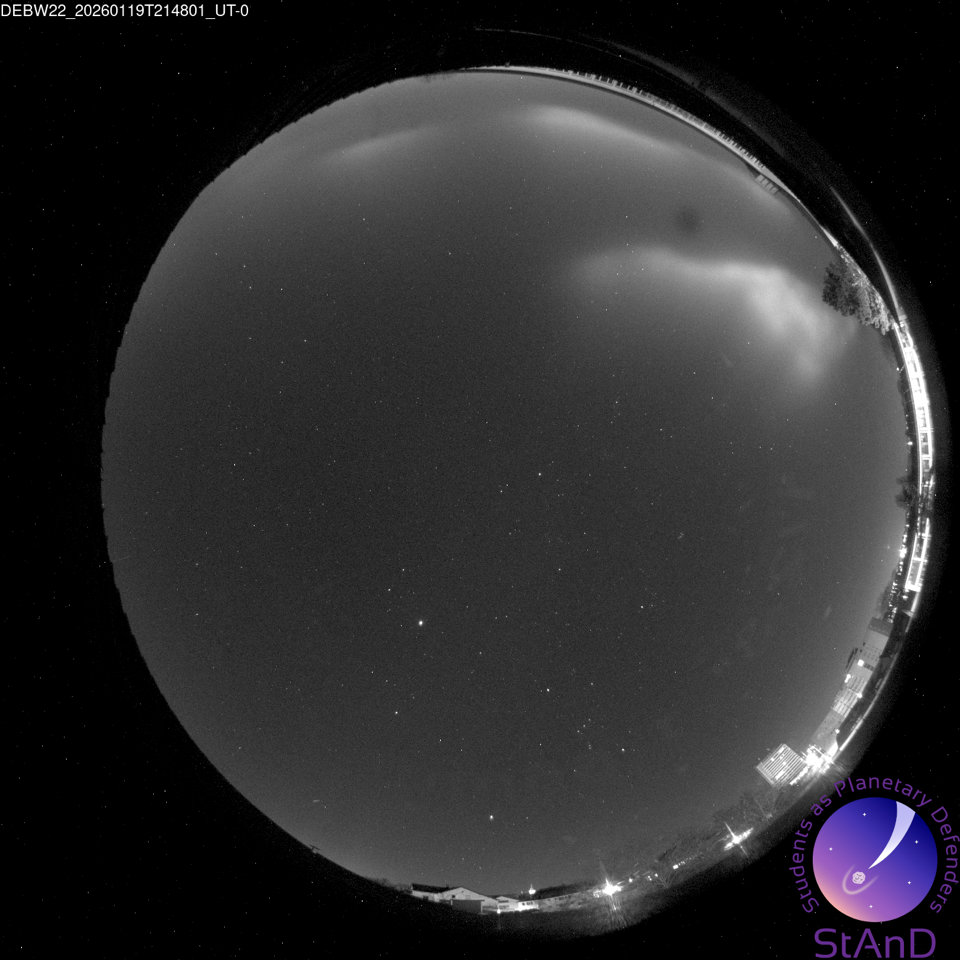
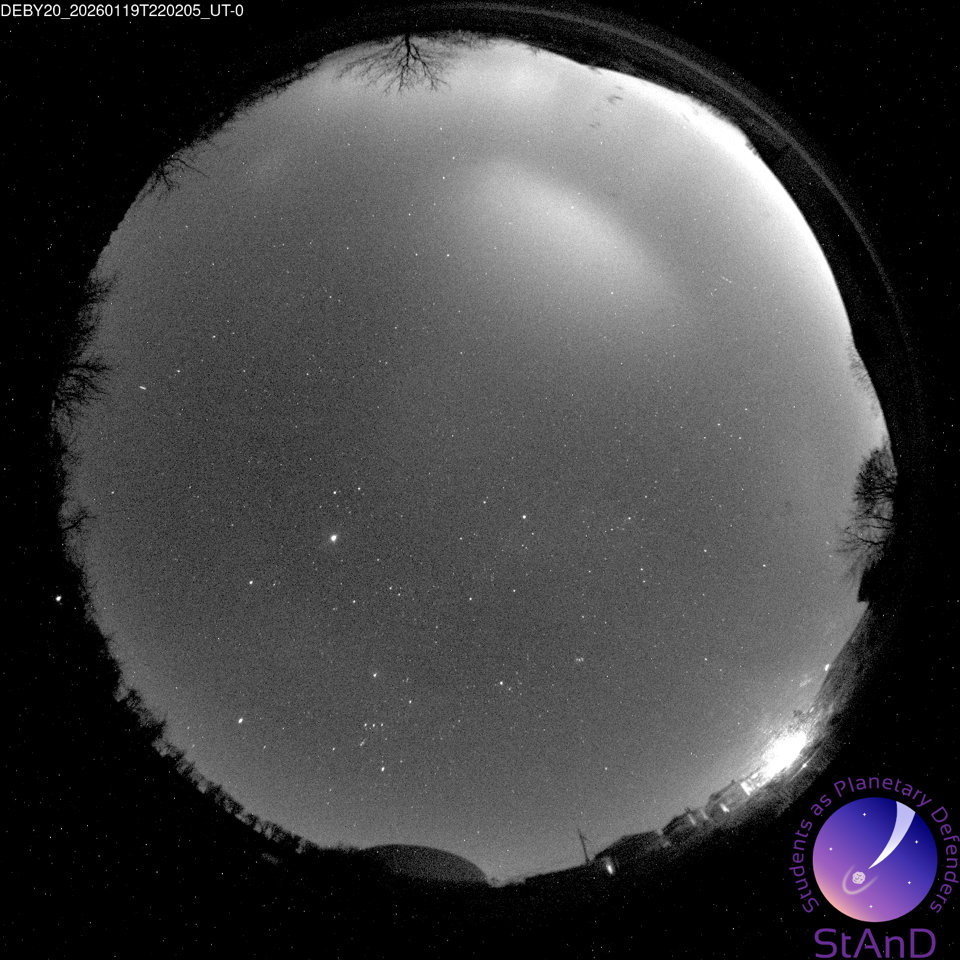
Students at Albert-Schweitzer (Crailsheim, Germany) and Egbert Gymnasium (Münsterschwarzach, GE) were lucky enough to observe the aurora in colour with the naked eye — and they could also study the phenomenon using an image captured by their StAnD meteor camera.
Auroras were visible in many parts of Europe during the night of 19–20 January 2026. it’s the diffuse glow visible in the upper parts of the images:
Your students can also learn about the fascinating Solar System with the dedicated StAnD virtual toolkit resource available here.