
This was the question that teacher Géraldine Jeanson asked her primary school students last year! In fact, they went one step further, and conducted a search for micrometeorites using the StAnD micrometeorite kit.
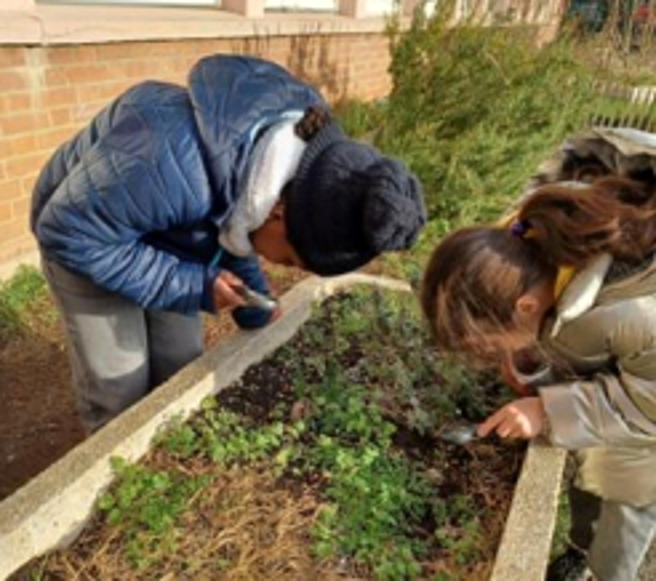
This was an awareness-raising activity over several weeks about the scientific process and the children started by collecting stones, earth and dust around their school in St Ouen l’Aumône (95) and categorizing them.
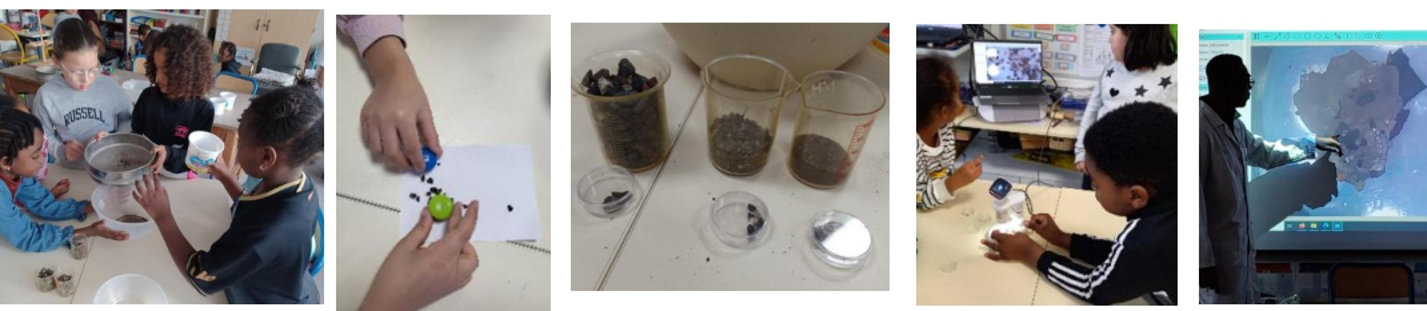
The following week they analyzed and tested the solid specimens they had collected. The young researchers examined their samples and discovered how to separate objects of different sizes by using sieves. With the help of astrophysicist Joseph Calixte from Cergy Paris University, they used a magnet to identify iron micrometeorite candidates and also put them in a special container to look at them close up with a microscope. They collected rainwater after learning that micrometeorites can also hide there 😉
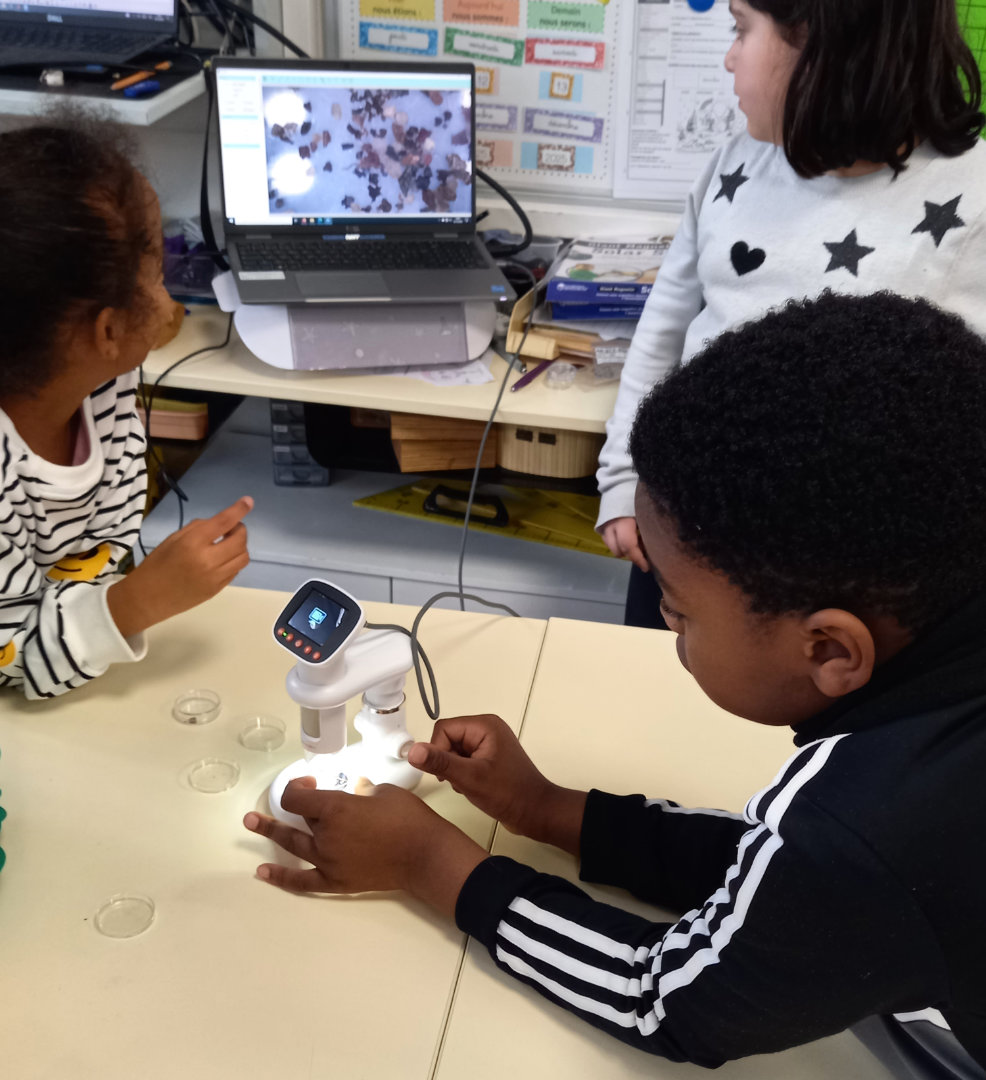
After careful inspection, perhaps they have found an iron micrometeorite. We look forward to hearing more from tomorrow’s experts on space dust!
If you think you have a candidate micrometeorite, please ask your country coordinator to check it–he or she will be able to validate it, or have it validated by a micrometeorite expert!
(If your school would like to assemble its own micrometeorite kit, all the details can be found on the StAnD website: https://projectstand.eu/micrometeorite-kit/ )