
Meteor Camera Kit
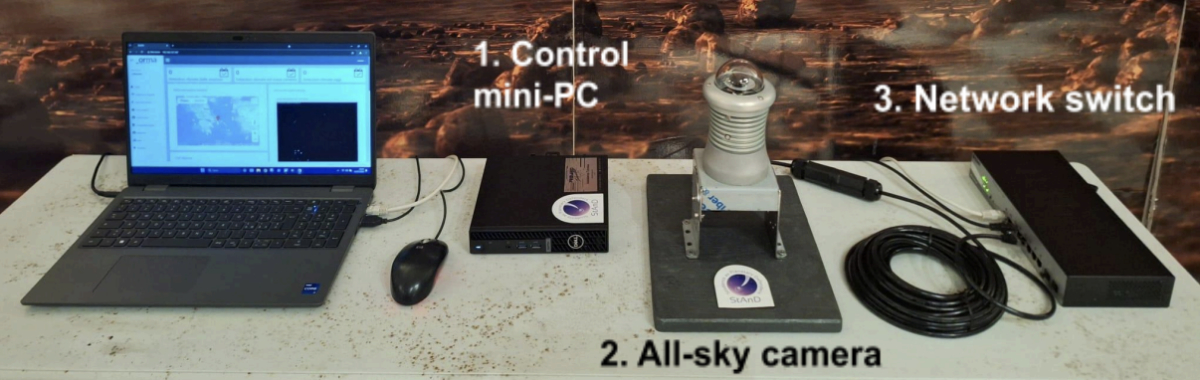
The Meteor Camera Kit is an instrument dedicated to the detection of bright meteors (fireballs and bolides) during night-time.
This kit is provided within the StAnD Toolkit to schools participating in the StAnD project, and it implements the latest meteor detection technology developed by PRISMA, the First Italian Network for the Systematic Surveillance of Meteors and the Atmosphere.
Still, the Meteor Camera Kit is also made available to other schools, institutions, associations, and to whoever is interested in joining the project. If you are interested in replicating the kit in your school, please contact us.
Meteor Camera Kit Manual
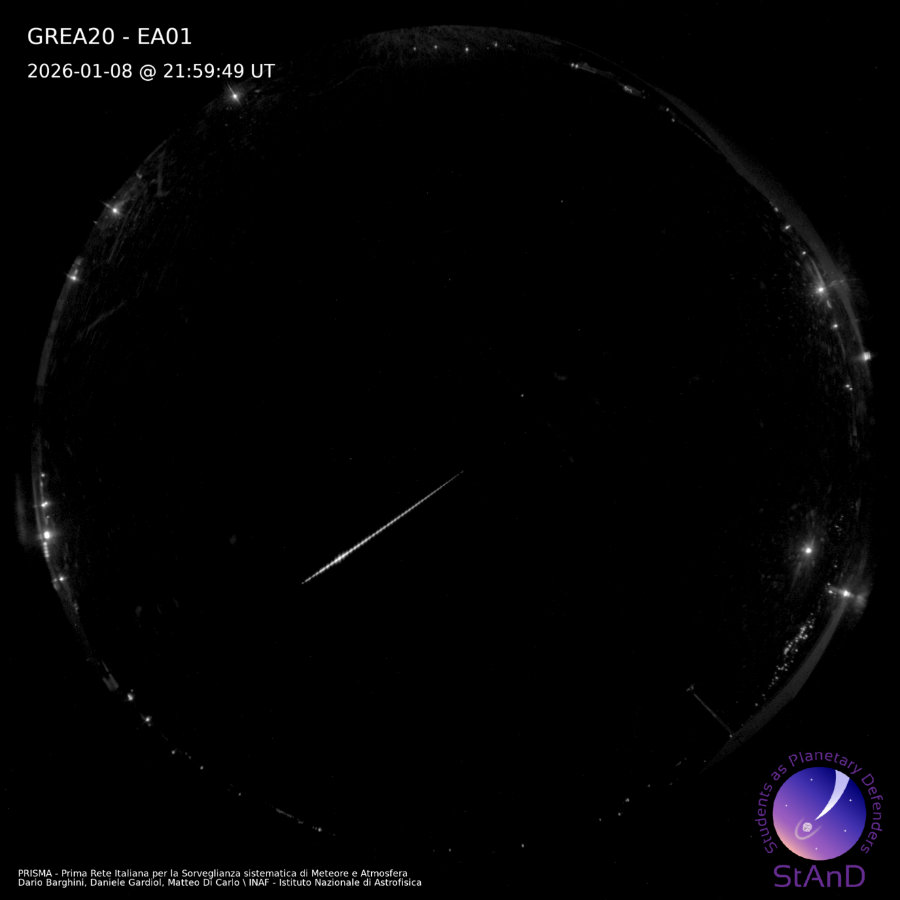
The Meteor Camera Kit Manual provides a comprehensive guide on how to install, operate, and maintain the StAnD Meteor Camera Kit. It is accessible to everyone and is specifically designed for teachers to correctly operate the kits in their school and to bring laboratory activities in the classroom using the data acquired by the kits.
Each Meteor Camera Kit also comes with an user-friendly browser interface, from which teachers and students can download the calibration and fireball data acquired by their camera.
StAnD Network
Within the StAnD project, we installed 12 Meteor Camera Kits, distributed in 3 schools per participating country (France, Portugal, Germany and Greece), while in Italy the project relies on the data acquired by the PRISMA network.
PASCAL
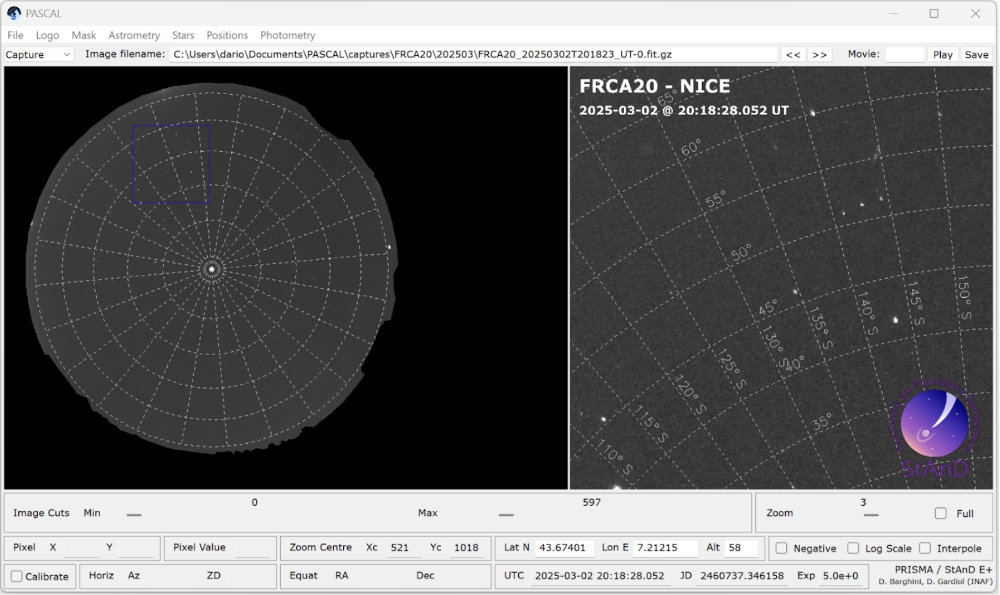
The StAnD Toolkit is also provided with an application, named PASCAL (PRISMA All-Sky Camera Analysis Laboratory), that was specifically designed and developed to visualise and analyse the calibration and fireball data acquired by the all-sky camera of the PRISMA and StAnD projects. PASCAL is currently compatible with Microsoft Windows OS only.
Fireball Triangulation Laboratory
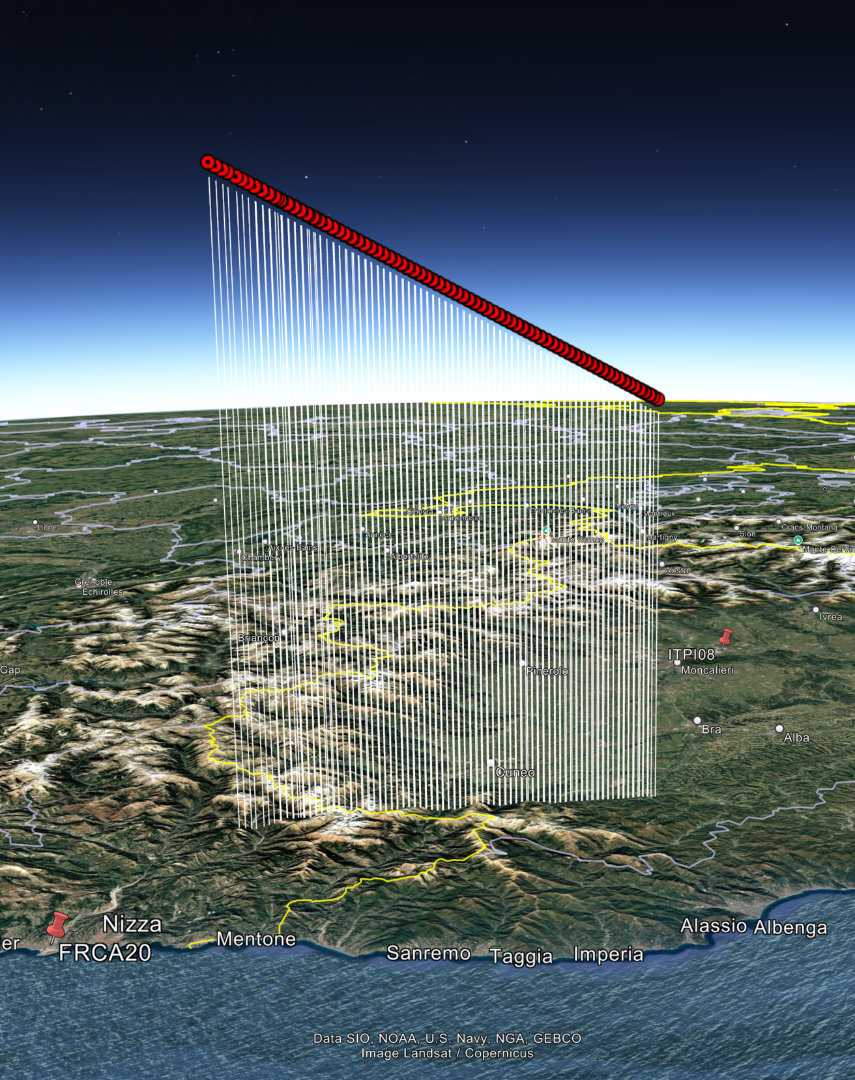
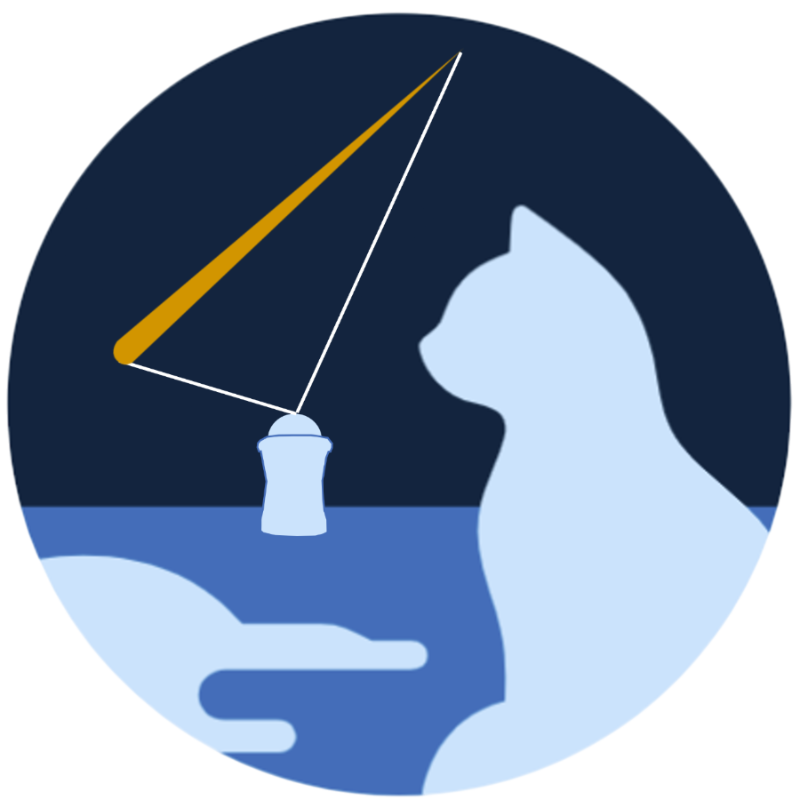
PASCAL can be used to analyze the data of a fireball detected by two or more PRISMA and/or StAnD cameras. The combination of the data from two or more stations allows the triangulation of the bolide’s trajectory in the Earth’s atmosphere, which is the main topic of the StAnD laboratory proposed with the Meteor Camera Kit.
The laboratory is described in the PASCAL Manual and it is modular, meaning that it can be implemented in the classroom subdivided into different lectures and with different complexity levels. It can range from an approximated triangulation of the fireball’s position on a printed map, using rulers and goniometers, to a detailed analysis of the three-dimensional trajectory of the fireball and its dynamic, using the full functionalities of PASCAL.
Teachers and students of the schools participating to StAnD can access their data directly from the browser interface of the kit and can cooperate to combine their fireball detections and implement the laboratory.
Alternatively, StAnD provides a selection of fireball detections, extracted from the data of the PRISMA and StAnD networks, that teachers can freely use through PASCAL to implement the triangulation laboratory in their classroom, even if they don’t have a Meteor Camera Kit installed at their school.